Budget Vs Actual Statement
Managing finances, whether personal or business, has a strong impact on overall financial stability and success. For businesses, it is even more critical, as proper financial control determines growth and sustainability. To monitor financial performance, various financial statements are prepared. One of the most commonly used is the Budget vs Actual Statement.
In many cases, businesses set financial goals at the beginning of a period, such as a month, quarter, or year, and then track their progress against those goals. However, simply creating a budget is not enough; it must be actively monitored and compared with real financial outcomes. This ongoing comparison helps businesses stay on track, identify financial issues early, and make timely adjustments to their spending and income strategies. The Budget vs Actual Statement plays a key role in making this comparison clear, structured, and easy to understand.
What is a Budget vs Actual Statement?
A Budget vs Actual Statement is a financial worksheet or report that compares planned (budgeted) figures with real (actual) financial results over a specific period.
Every business creates an estimated budget for income and expenses. However, real-life conditions are unpredictable, and actual costs or earnings often differ from planned figures. This statement highlights those differences (variances) and helps users understand how closely they followed their financial plan.
It is useful for both businesses and individuals who want to track and control their spending effectively.
By comparing planned and actual financial results, businesses gain a clear picture of their financial performance. This comparison not only highlights where things are going as expected but also reveals areas that need attention. Understanding these differences is essential for effective financial control and long-term planning.
Purpose of the Statement
This financial statement compares actual expenses and revenues with the budgeted amounts. The comparison provides valuable insights into financial performance.
A budget may represent a well-prepared financial plan, but reality often brings unexpected changes. This statement helps identify those changes and understand their impact.
How It Works in Practice
This sheet is typically used throughout the financial year, with periodic reviews (monthly, quarterly, or yearly). The results are often shared with relevant departments or stakeholders in a business to improve transparency and financial control.
By analyzing the differences between budgeted and actual figures, businesses can determine:
- Why deviations occurred
- How significant those deviations are
- What corrective actions are needed
The more deeply these variations are analyzed, the more accurate and effective future financial planning becomes.
Benefits of a Budget vs Actual Statement
There are several important benefits of using this statement:
1. Variance Analysis
Variance analysis shows the difference between budgeted and actual figures. It helps identify whether a business has overspent or saved money in different areas. This insight is essential for financial control and future investment decisions.
2. Improved Decision-Making
Businesses often face critical decisions regarding spending and investment. Since the future is uncertain, decisions are usually based on past financial performance. A Budget vs Actual Statement provides reliable data that supports smarter and timely decision-making.
3. Better Financial Comparison
This statement allows individuals and businesses to compare planned spending with actual expenses. It helps identify spending patterns, including areas of overspending or underestimating costs.
Such comparisons improve financial awareness and help in preparing more realistic future budgets.
The Bottom Line
Overall, the Budget vs Actual Statement is a powerful financial planning tool. It helps businesses and individuals understand their financial performance and improve future planning.
Effective financial management depends on the ability to analyze and respond to financial data. This statement supports that process by highlighting variances and encouraging better financial discipline.
For new business owners, it is especially helpful in managing finances systematically. It also assists individuals who want to control their expenses but are unsure how to begin. By consistently reviewing this statement, they become more aware of their spending behavior and develop stronger financial habits.
Our Template
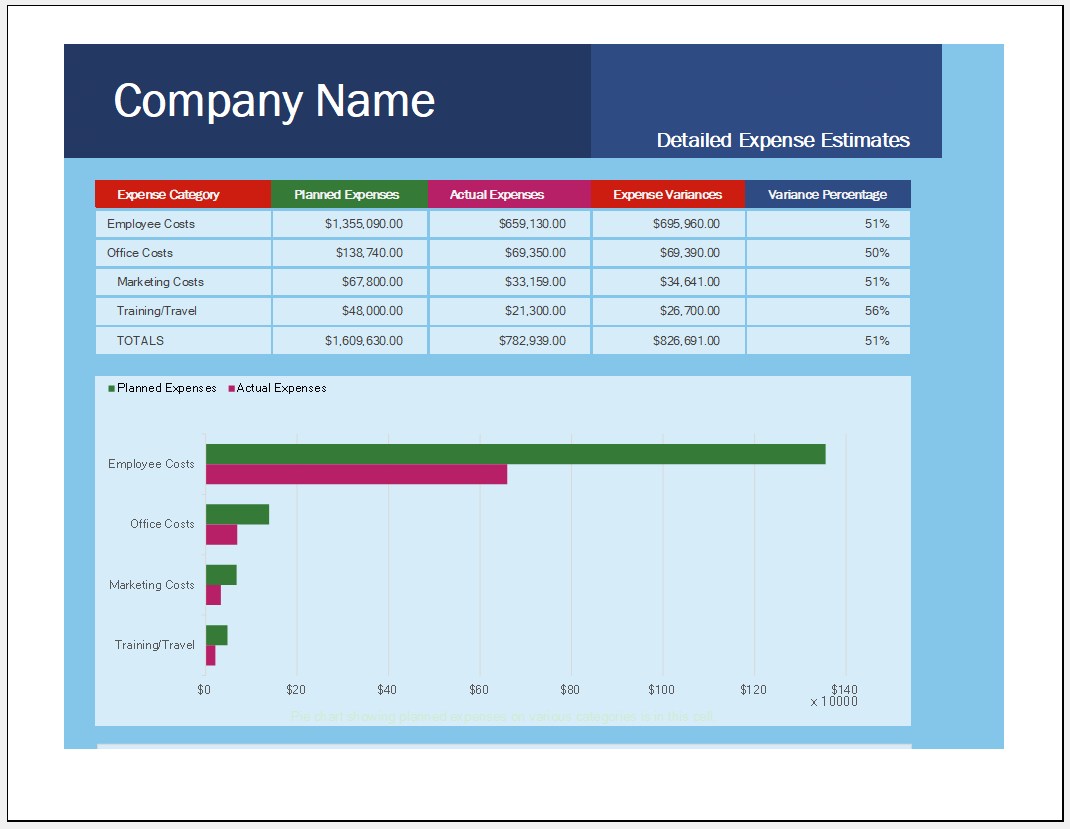
To make financial tracking easier and more effective, we have created a ready-to-use Budget vs Actual Statement template. This template is designed to help you quickly compare your planned budget with actual income and expenses in a clear and organized format.
With its simple layout and user-friendly structure, you can easily update your data and gain instant insights into your financial performance, helping you make smarter and more informed decisions.
- Children’s Daily Activity Reward Sheet
- Winter Clothing & Gear Budget Sheet
- Winter Utility Expense Template
- Fuel & Equipment Sheets
- Monthly Attendance Sheet for Employees
- Student Entry & Exit Log
- Gantt Chart for Smaller Projects
- Behavior Log of Child for Schools
- Loan Repayment Tracker
- Product Sales Tracker Template
- Debit Memo Template for Excel
- Winter Attire Inventory
- Financial Projections Worksheet
- Employee Absence Tracker
- Weekly Sales Report Template
← Previous Article
Remote Work Attendance Tracker TemplateNext Article →
Weekly Sales Report Template